Column · @keeganryne660
Comprehensive Roof Maintenance Checklist for Cold Climates
The Blue Mountains region experiences some of the most demanding weather conditions in the area. Frosty winter mornings, heavy rain, strong winds, occasional snowfall, and rapid temperature swings all place stress on roofing systems. In 2026, homeowners and property managers are increasingly aware that comprehensive roof maintenance is far more cost-effective than emergency repairs or premature replacement. This guide provides a practical, season-ready checklist for protecting your roof, gutters, walls, and ventilation in cold conditions.
Why Cold Climate Roof Maintenance Matters in the Blue Mountains
Cold weather affects roofing materials in several ways. Water that enters small cracks expands as it freezes, widening gaps and loosening shingles, tiles, and flashing. Repeated freeze-thaw cycles cause materials to expand and contract, leading to fatigue, splitting, and fastener failure. Heavy moisture from mist and rain, common at higher elevations, can also encourage moss, lichen, and rot on timber elements.
Regular inspections catch these issues early. A small lifted shingle or a loose piece of flashing can be corrected quickly, while neglected problems can lead to water intrusion, insulation damage, mould growth, and structural decay. Booking certified roof repair professionals for an annual assessment is one of the smartest investments you can make for your property.
Pre-Winter Roof Inspection Checklist
The best time for a thorough inspection is in autumn, before the coldest weather arrives. Use the following checklist as a starting point, or have a qualified roofer carry out the work safely. Never climb onto a roof in wet, icy, or windy conditions.
- Shingles and tiles: Look for cracked, curled, missing, or blistered pieces. Granule loss on asphalt shingles is a sign of ageing and may indicate that asphalt shingle replacement is approaching.
- Cedar shakes: Check for splitting, cupping, moss growth, and rot. Damaged timber should be addressed promptly through cedar shake replacement to maintain weather resistance.
- Flashing: Inspect around chimneys, skylights, vents, valleys, and wall junctions for lifted edges, rust, or failed sealant.
- Roof penetrations: Confirm that pipe boots, vent seals, and antenna mounts are intact and watertight.
- Ridge capping: Ensure caps are bedded securely and that pointing or sealant has not cracked.
- Roof surface debris: Remove leaves, branches, and moss, which trap moisture against the roof surface.
- Interior signs: Check ceilings and attic spaces for stains, damp insulation, or daylight coming through the roof deck.
Gutter and Drainage Maintenance
Gutters are the first line of defence against water damage. In the Blue Mountains, where tree cover is dense, gutters can fill quickly with leaves, bark, and debris. Blocked gutters cause overflow, which can saturate fascias, eaves, and wall cavities. In freezing conditions, standing water may turn to ice and add weight that pulls gutters away from the fascia.
Cleaning and Inspection
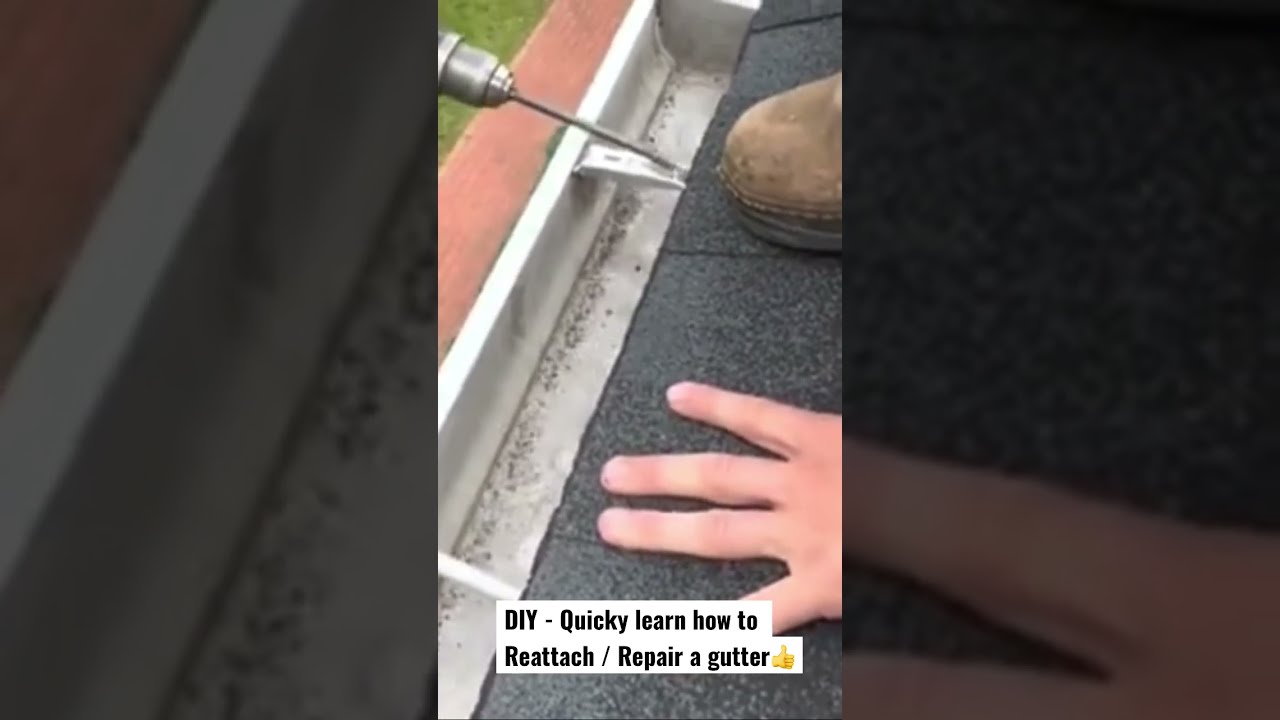
Clear gutters and downpipes at least twice a year, and more often if overhanging trees are close to the roofline. Check that water flows freely toward the downpipes and that joints are sealed. Look for sagging sections, loose brackets, rust spots, and pooling water.
Material-Specific Care
Different gutter materials have different needs. Aluminum gutter repair typically involves resealing joints, replacing fasteners, and patching small holes. Copper gutter maintenance focuses on keeping joints sound, clearing debris that can stain the metal, and checking solder points for cracks caused by thermal movement. Any damaged gutter repair should be completed before winter to prevent small defects from growing.
Advanced Options
Properties with persistent problems may benefit from advanced gutter solutions, such as leaf guards, upsized downpipes, and improved fall adjustments. For larger buildings, commercial gutter services and comprehensive gutter services can include scheduled cleaning, high-capacity systems, and overflow protection. Pairing these upgrades with comprehensive drainage solutions helps direct water well away from foundations and retaining walls.
Attic Ventilation and Insulation
Ventilation is one of the most overlooked parts of cold-climate roof care. Warm, moist air from living areas rises into the attic, and when it meets cold roof surfaces, it condenses. Over time, this moisture can damage timber framing, reduce insulation performance, and encourage mould. Proper airflow keeps the roof space dry and helps regulate temperatures throughout the year.
Signs of Poor Ventilation
- Condensation or frost on the underside of the roof deck
- Musty odours or visible mould in the attic
- Rusted nails or fasteners
- Damp or compressed insulation
- Uneven snow or frost melt patterns on the roof
- High indoor humidity during winter
Ventilation Upgrades
If you notice any of these signs, attic ventilation repair or attic ventilation installation may be necessary. Comprehensive roof venting typically balances intake vents at the eaves with exhaust vents at or near the ridge, allowing air to move steadily through the space. Customized roof ventilation plans consider roof pitch, building size, insulation levels, and local climate. Advanced ventilation techniques, including ridge vents, powered vents, and baffles that keep insulation from blocking airflow, can significantly improve performance.
Although cold climates focus on moisture control, ventilation also helps in warmer months. Attic heat reduction and attic cooling methods protect shingles from excessive heat, reduce cooling costs, and extend the life of roofing materials during Blue Mountains summers.
Brick, Mortar, and Wall Maintenance
Roof performance is closely linked to the condition of the walls, chimneys, and parapets it connects to. Brick structures in cold climates are particularly vulnerable to moisture. Water absorbed by brick and mortar can freeze, expand, and cause spalling, cracking, and crumbling joints.
What to Check
Walk around the property and look for crumbling mortar, hairline cracks, white salt deposits (efflorescence), flaking brick faces, and damp patches. Pay close attention to chimneys, which are exposed to wind and rain on all sides. Effective brick wall maintenance starts with identifying these issues early.
Repair and Restoration Options
- Brick repointing services: Removing deteriorated mortar and replacing it with a compatible mix to restore weather resistance.
- Brick mortar replacement and restoration: Essential for older homes where original mortar has softened or eroded.
- Brick joint repair: Addresses narrow gaps that allow water to penetrate the wall.
- Brick expansion joint repair: Allows large walls to flex with temperature changes without cracking.
- Brick deterioration repair and brick erosion control: Stops surface damage from progressing and protects the wall from ongoing weathering.
- Brick facade repair: Restores appearance and protects the building envelope.
- Brick structural repair and brick wall reconstruction: Necessary when walls have bowed, shifted, or lost their load-bearing integrity.
Protective measures like brick wall weatherproofing can reduce water absorption and support brick durability enhancement. Because brick also offers natural brick thermal insulation through its thermal mass, keeping it dry and well-maintained helps preserve energy efficiency. Ultimately, sound masonry supports brick structural integrity and the long-term stability of the entire building. For broader needs, comprehensive wall repair can address brick, render, and cladding issues together.
Painting and Sealing for Weather Protection
Exterior coatings and sealants form a protective barrier against moisture, UV exposure, and temperature fluctuation. In cold climates, failing paint or cracked sealant allows water to reach timber, metal, and masonry surfaces. Inspect fascias, eaves, window surrounds, and metal roof components for peeling paint, bubbling, or exposed substrate.
Comprehensive painting sealing and complete painting sealing services typically include surface preparation, rust treatment, priming, high-quality coatings, and sealing of gaps and joints. Advanced painting techniques such as elastomeric coatings and breathable masonry paints help surfaces flex with temperature changes while allowing trapped moisture to escape. For larger properties, commercial painting sealing provides durable, large-scale protection. A full set of comprehensive sealing solutions around flashings, penetrations, and joints is one of the most cost-effective ways to prevent leaks.
Winter Monitoring Checklist
Once cold weather arrives, ongoing monitoring helps you respond quickly to developing problems. Follow these steps through the season:
- After storms or strong winds, inspect the roof from the ground using binoculars to spot displaced shingles, tiles, or flashing.
- Check gutters and downpipes for blockages after heavy leaf fall or rain.
- Look inside the attic for new damp patches, drips, or condensation.
- Monitor ceilings and upper walls for fresh stains or peeling paint.
- Watch for icicles along the eaves, which may signal heat loss or drainage problems.
- Keep trees trimmed back so branches cannot fall onto the roof during storms.
- Contact a licensed roofer promptly if you notice any damage, rather than waiting for spring.
When to Repair, Reroof, or Replace
Minor issues can often be solved through advanced roof repair or comprehensive roof repair, such as replacing individual tiles, resealing flashing, or fixing localised leaks. However, repeated repairs, widespread curling or cracking, sagging roof lines, or significant water damage suggest that the roof is nearing the end of its service life.
In those cases, comprehensive roof replacement or complete roofing replacement may be the most economical option. Certified roof reroofing and comprehensive roof reroofing can sometimes overlay or refresh existing systems, depending on structural condition and local building requirements. For new builds or major renovations, complete roof installation provides an opportunity to select materials and designs suited to the Blue Mountains climate, including improved insulation and ventilation from the start.
Commercial Property Considerations
Commercial buildings face additional challenges, including larger roof areas, rooftop equipment, and drainage that must handle high water volumes. Commercial roofing systems benefit from scheduled inspections, documented maintenance plans, and prompt commercial roof repair. Property managers should consider commercial roof solutions that include membrane inspections, seam sealing, drainage checks, and protection around rooftop plant. Comprehensive roofing services designed for business owners reduce downtime, protect stock and equipment, and help maintain compliance with insurance requirements.
Choosing the Right Roofing Professional in the Blue Mountains
Local knowledge matters. A contractor familiar with Blue Mountains conditions understands the impact of bushfire-season preparation, heavy leaf litter, high humidity, and cold snaps on roofing materials. When selecting a provider, look for current licensing, insurance, manufacturer-backed warranties, and clear https://roofingbluemountains.com.au/about/ written quotes. Ask whether they offer a full range of services, from inspections and gutter care to ventilation and masonry repair, so your property is managed as a complete system rather than in isolated parts.
Plan Ahead for 2027 and Beyond
Building standards, energy efficiency expectations, and materials continue to evolve. Planning your maintenance schedule now helps you prepare for 2027 and beyond, whether that means upgrading ventilation, improving insulation, or budgeting for a future reroof. Keeping dated records of inspections, repairs, and photographs also supports warranty claims and insurance discussions.
Final Thoughts
A well-maintained roof protects everything beneath it. By following this checklist, you can identify problems early, extend the life of your roofing materials, and avoid costly water damage during the coldest months. Inspect your roof each autumn, keep gutters clear, maintain ventilation, protect masonry, and keep coatings and sealants in good condition. When issues go beyond routine care, engage qualified local professionals for a thorough assessment and a clear plan of action. Taking these steps now will help your Blue Mountains property stay dry, safe, and energy efficient through winter and for many years to come.
Top Roofer Blue Mountains
Old Bathurst Rd, Blaxland NSW 2774, Australia
(02) 4703 9006